The Church of Jesus Christ of Latter-Day Saints which is also referred to as the Mormon Church – has a complex background of race relations. This article will provide an objective and factual analysis of the treatment that was historically given to Black individuals within the Mormon Church, discussing the policy restrictions that were implemented and the ways in which the Church has changed to reject traditional beliefs and practices that were associated with racism.
Blacks in Mormonism The Historical Background
From 1852 until 1978, between 1852 and 1978, Mormon Church implemented a policy that barred blacks from Mormonism to be ordained priests. This was due to religious interpretations of scripture and the racial beliefs of the period. Black individuals were denied certain Church rituals and duties, resulting in a segregated Mormon community. It is crucial to realize that this discrimination wasn’t exclusive to Mormonism. In fact, it reflected racial biases that were commonplace in American society during the time.
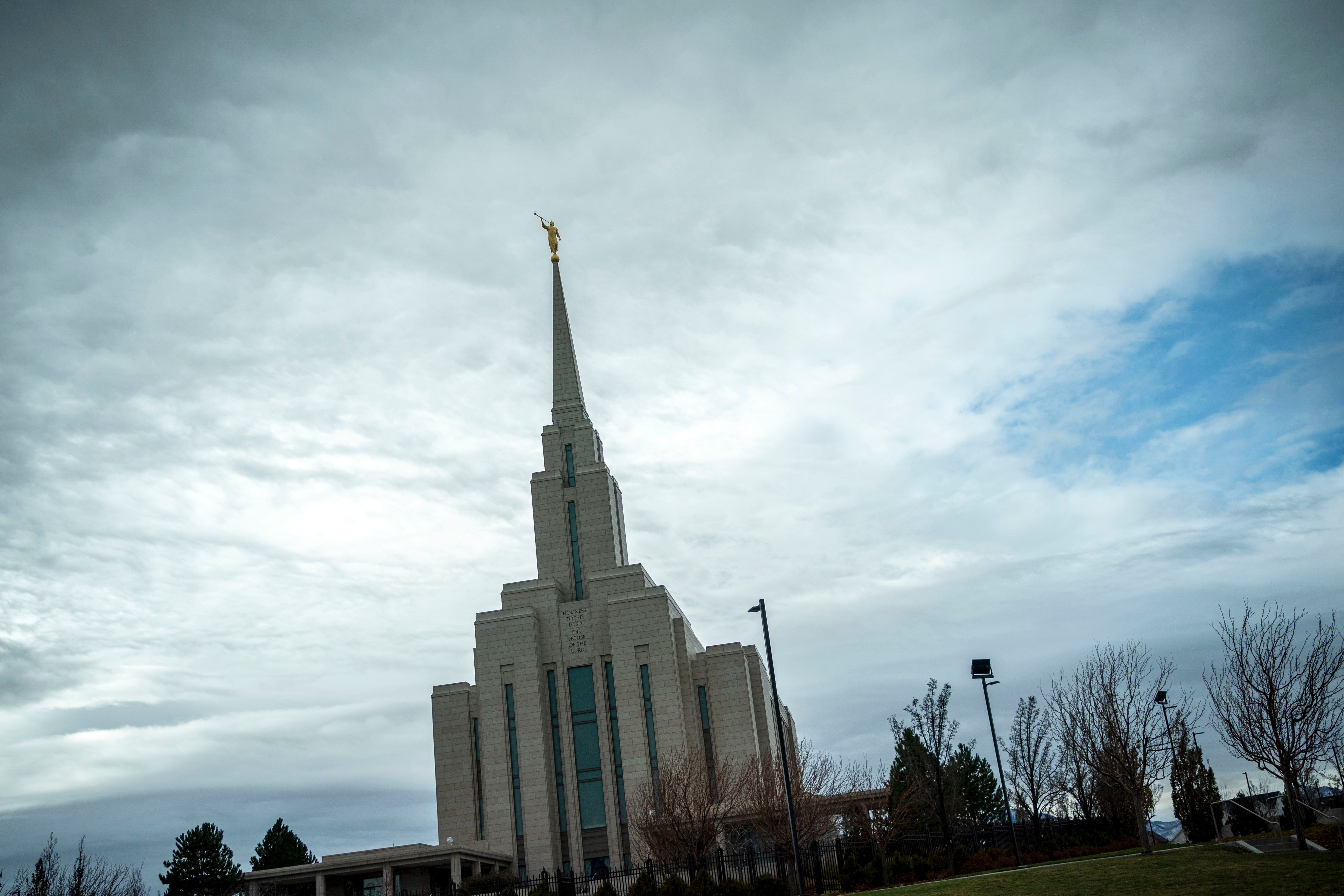
Mormon Black Peoples and the 1978 Revelation
1978 was an important turning point in the Mormonism’s history. Spencer W. Kimball was the church’s president at the time and received an “divine revelation” regarding the exclusion from the priesthood of Black people. The revelation was considered to be the turning point that lifted an old policy that had been in effect for over 100 years. The Church of Jesus Christ of Latter-Day Saints made it clear that blacks could now be priests and be involved in the Church’s activities in all areas.
The Church today rejects the racist ideology, while encouraging the unity of all people and encouraging everyone to join in the love of Jesus Christ, regardless of race. The doctrine of today asserts that everyone is equal and emphasizes God’s acceptance of everyone regardless of their gender, race, social situation, or other. For more information, click Mormons Racist
Joseph Smith’s Fair Treatment of Black Individuals
Despite the prejudices racialized of his time, the Mormon Church’s founder, Joseph Smith, demonstrated relatively fair treatment of Black individuals. Joseph Smith may have ordained Black men to the priesthood during his lifetime, as per documents from the past. Smith’s belief in inclusion and equality within the Church were apparent in the ceremony. But, the next leaders put in place policies to exclude Black people from the priesthood, a reflection of the evolving societal attitudes toward race during the middle of the 19th century.
Suppriming Racism and moving Towards Unity
The Church of Jesus Christ of Latter-Day Saints is taking significant measures in recent times to fight racism and foster unity within its members. The Church has made statements that denounce the past beliefs about race. They state that racism of any form is incompatible with the teachings of Jesus Christ and the core beliefs of the Church.
The Church is actively promoting respect, love and understanding among its many members, recognizing their importance and worth. The Church is determined to help its members understand the importance of cultural sensitivity and acceptance.
Also, you can read our conclusion.
Knowing the background of Blacks in Mormonism and the Church of Jesus Christ of Latter-Day Saints’ evolution in addressing racial issues is crucial for fostering unity and equality. This traumatic policy, which restricted Blacks from ordination to the priesthood for over 100 years, has been an important aspect of the Church’s past. The announcement of 1978 however, was a crucial moment that signaled an acceptance of inclusivity and equal rights.
The current policy of the Mormon Church is to reject racism, affirm equality and encourage acceptance and love among its members. By confronting its historical racial biases and taking meaningful steps toward progress The Church is moving forward in a direction that is unified and tolerant as it strives to ensure that each member feels loved and respected within the Mormon community.