For one customer, the appeal of the wig’s color is offset by a cap that causes discomfort after several hours. A second wearer likes the natural-looking hairline, yet would rather avoid a twenty-minute lace adjustment routine each morning. The unit is visually appealing, but a different buyer finds the hair density heavier than imagined once it is worn.
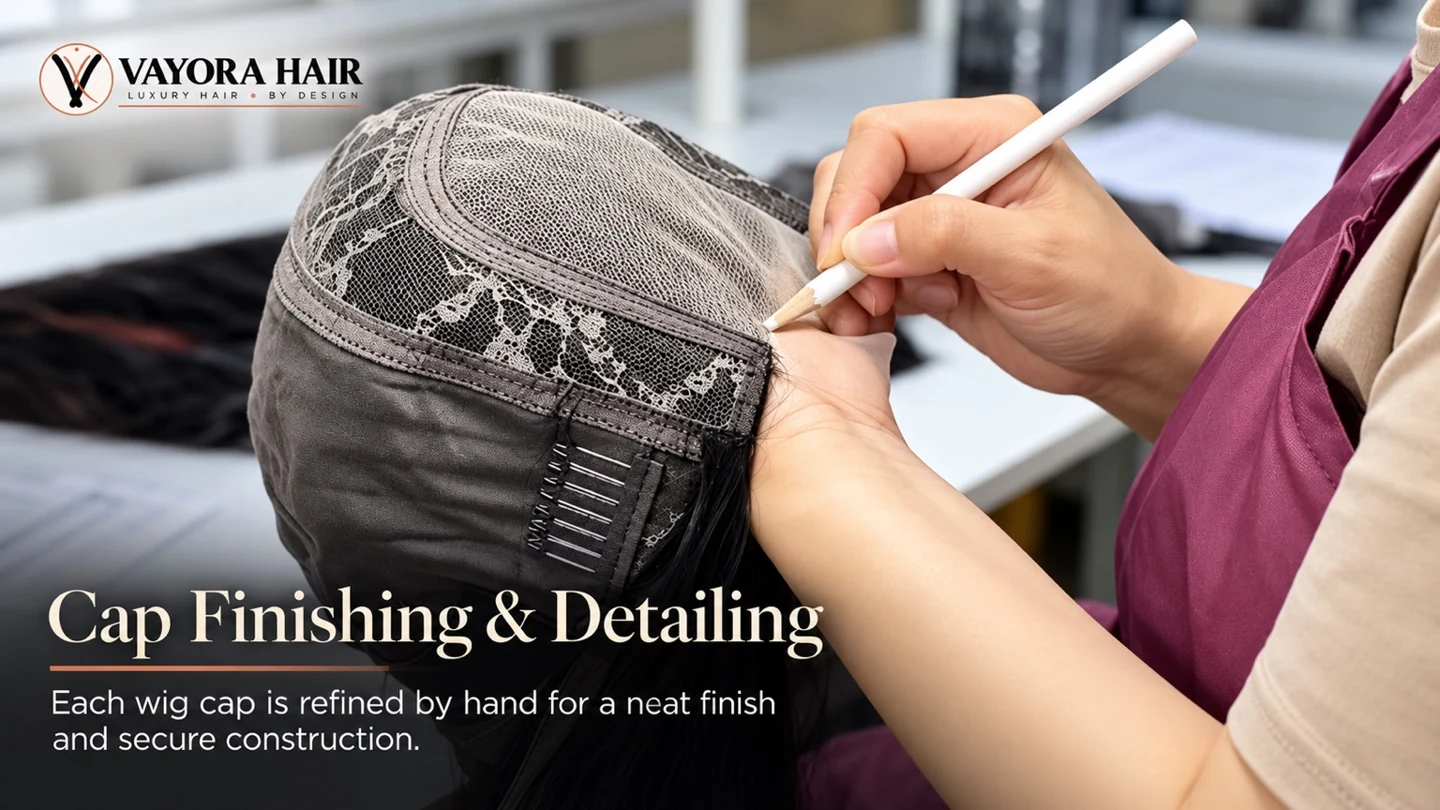
Image credit: vayorahair.com
To a wig brand, these comments represent more than routine feedback. Such observations can guide product development toward products that deliver a wearing experience people appreciate.
Successful wig collections aren’t necessarily built around the latest viral hairstyle. They’re built around understanding what customers want to experience when they put a wig on.
Identify the Problems Behind the Purchase
Customers rarely describe their needs using manufacturing terminology. The language customers use reflects practical priorities: comfort, convenience, appearance, and confidence. When a buyer asks for a simpler morning routine, a glueless approach may be worth exploring. Complaints about an unnatural hairline could indicate that lace appearance, knot treatment, density, or parting design needs attention.
A human hair wig manufacturer China brands work with should be able to translate these everyday concerns into measurable product specifications.
Rather than specifying a 22-inch body-wave wig alone, a buyer can outline the desired wearing experience, cap fit, lace construction, the look of the hairline, and finished weight. Such specificity provides the development team with a more precise goal.
Make Your Private Label Collection Recognizable
A common pitfall for developing wig brands is to stock their catalogs according to whatever is popular at the time. The result can be a collection that looks remarkably similar to competing stores.
Working with a private label wig manufacturer China retailers can collaborate with allows brands to develop a more consistent product identity. A brand could focus on lightweight daily-wear wigs, premium natural-hairline designs, or ready-to-wear styles for customers who prefer little preparation. To keep the collection unified, align texture, length, color, density, cap construction, and packaging with one customer promise. A identifiable product range can encourage repeat visits for reasons other than a limited-time price reduction.
Glueless Wigs Require More Than a Label
A glueless label may be straightforward, yet how the wig feels during wear is shaped by several construction details. Everything from cap sizing and adjustment features to attachment components, lace preparation, and hairline design helps determine how securely and comfortably the unit fits.
A buyer working with a glueless wig manufacturer China brands select should expect help in clarifying these requirements before manufacturing starts. Manageable density, pre-cut lace, and simple adjustment features may be particularly important when the intended customers are first-time wig wearers. By contrast, a range for professional hair stylists may call for different customization options. It would be a mistake to assume that one design direction is automatically preferable. Each serves a different customer.
Safeguard Your Brand’s Reputation Through Sampling
A picture of a wig cannot reveal everything a buyer needs to know. Evaluating the unit means looking at the fit of the cap, the movement of the hair, color accuracy relative to expectations, and whether the final construction follows the approved design. Before a larger purchase is placed, sampling can help reveal departures from expectations.
Repeat production makes documented specifications and quality-control procedures especially significant for a wholesale human hair wigs supplier. Without clear references, a successful first batch may be difficult to reproduce consistently.
Prepare Your Collection for Future Growth
VAYORA supports B2B wig brands, retailers, and distributors through product development, private label services, sampling, specification control, and repeat-production workflows. The approach connects customer expectations to the physical features that determine the wig’s appearance, fit, and feel.
Before adding more products, a brand should review customer feedback, determine where its strongest product opportunities lie, and define clear approval standards. More styles are not necessarily what the next successful product lineup requires. The greater opportunity may lie in making fewer compromises in the designs buyers already seek.