A developer working in software may have spent six years working through difficult engineering challenges but find it difficult to articulate a system architecture decision during an interview. A marketing specialist might have managed effective marketing initiatives yet forget the most relevant performance figures when asked about previous achievements.
These examples do not necessarily indicate weak qualifications. During an interview, candidates must make sense of unexpected questions while recalling information and presenting their thoughts coherently under pressure.
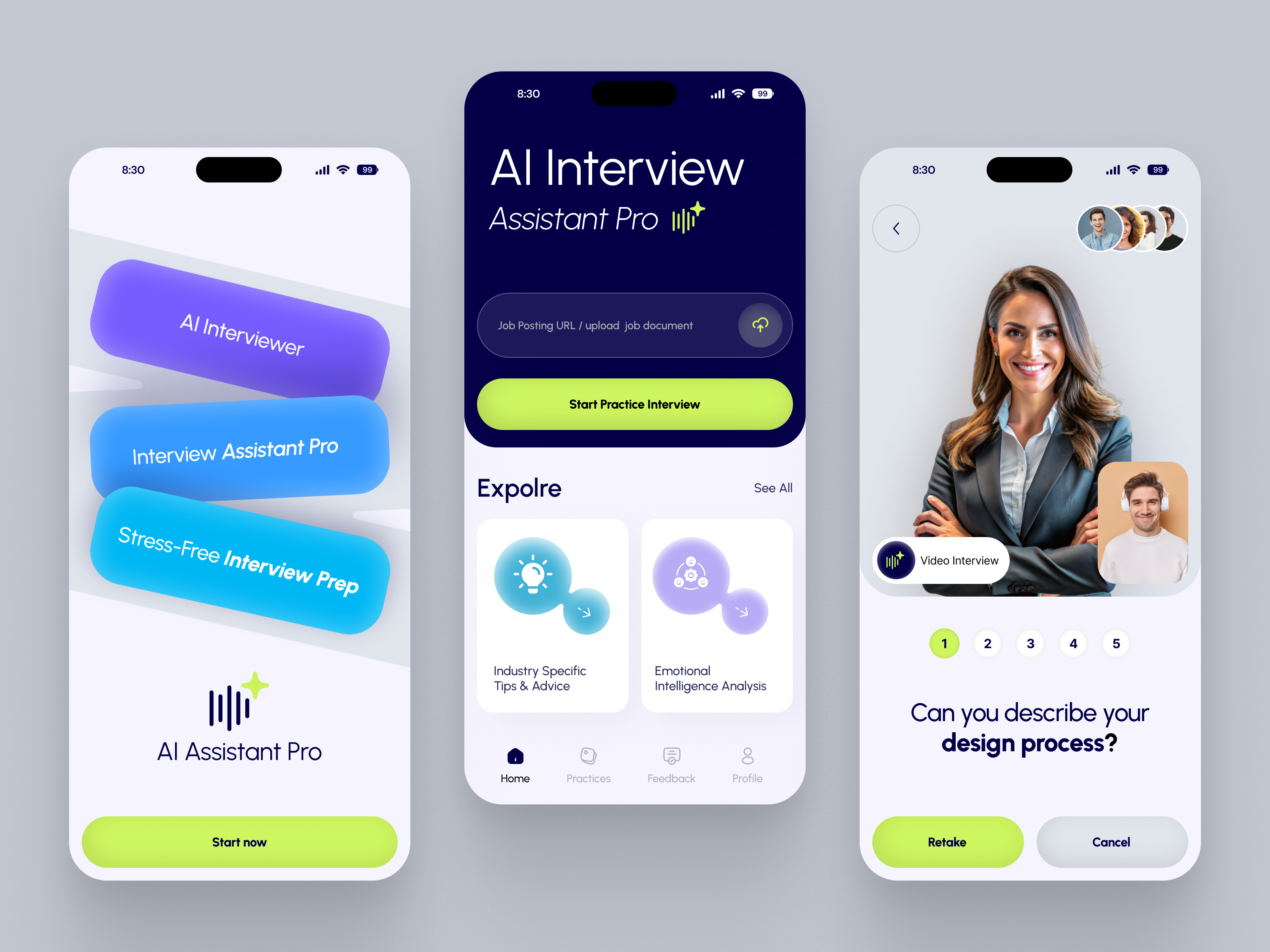
Candidates now have AI-assisted methods for practicing these abilities. Interview Pilot combines individualized interview practice, simulated conversations, and live answer suggestions to help candidates approach professional interviews with greater confidence.
Turn Your Career History Into Interview Preparation Material
Traditional interview preparation often begins with searching for common questions and memorizing suggested responses. The drawback of memorized generic answers is that they rarely describe the details of an individual’s career.
Consider the familiar question, “Tell me about a time you managed a difficult project.” A strong answer cannot rely solely on an elegant introduction. It should explain the circumstances, the candidate’s responsibilities, the decisions they made, and the eventual outcome.
Interview Pilot uses information from a candidate’s CV, target position, and prospective employer to generate more relevant suggestions.
An AI interview assistant can help users identify experiences worth discussing, organize supporting details, and recognize gaps in their explanations. Candidates can then practice recounting those events truthfully in their own words.
Make Technical Reasoning Easy to Follow
Technical interviewers look beyond a candidate’s familiarity with software development languages, platforms, and engineering concepts. The reasoning behind a choice matters because interviewers often want to see how applicants solve problems and weigh alternatives.
A discussion about database performance could require an explanation of the benefits of indexing, the costs and compromises involved, and the measurements used to establish faster queries.
Candidates using Interview Pilot can receive suggestions for questions assessing technical knowledge as well as behavioral questions. Its interview copilot functionality processes spoken questions and generates answers informed by the context.
Candidates still need to comprehend the reasoning that supports the proposed response. Applicants need to be able to justify their technical choices without assistance, especially if an interviewer alters the problem or asks follow-up questions.
Practice Answering in a Conversational Setting
Silent review of interview questions cannot fully replicate the experience of speaking an answer. Answering aloud can reveal wordy introductions, confusing explanations, and needless jargon that may go unnoticed during written preparation.
Interview Pilot includes AI mock interviews and an interview question bank, allowing users to practice before meeting a recruiter or hiring manager.
A useful preparation method involves answering the same question several times with different levels of detail. A candidate might develop a thirty-second explanation for an initial screening and a more comprehensive response for a technical discussion. Adjusting the depth of an answer can make the conversation sound less memorized and better aligned with the interviewer’s interests.
Using Live AI Support With Professional Judgment
Tools offering real-time interview answers introduce additional considerations around professional integrity and employer expectations. Employers differ in their assessment policies: some allow AI tools, whereas others expect applicants to show their skills without help from external tools.
Anyone searching for a copilot for interview preparation or live assistance should clarify the employer’s rules before using such technology during an actual interview. When an application processes interview dialogue, applicants must also pay attention to consent requirements and confidentiality. Suggestions from AI should help applicants express authentic knowledge rather than misrepresent their qualifications or make up professional experiences.
Preparation That Fits Into a Busy Schedule
Interview preparation often happens between job responsibilities, commuting, and personal responsibilities. Support for multiple devices may make it easier to keep up with practice.
Users can access Interview Pilot through its Mac and Windows versions, on iPhone and Android, and via the web. According to the platform, it serves more than one million users worldwide and offers a free plan with limited weekly AI usage alongside paid subscriptions for unlimited use.
Successful interview practice involves more than memorizing model answers. It’s about becoming comfortable discussing what you know, demonstrating how you think, and explaining the value you can bring to an organization.
When used with care, Interview Pilot can assist with preparation without displacing the individual’s actual work experience, independent judgment, or communication abilities.