The construction would be simpler if the water arrived at exactly the same speed.
It’s not.
In a residential area, the amount of wastewater that goes into the system may vary through the day. Commercial and industrial facilities may encounter operating peaks. Stormwater can change dramatically with weather conditions. The demand for clean water also fluctuates according to the type of application.
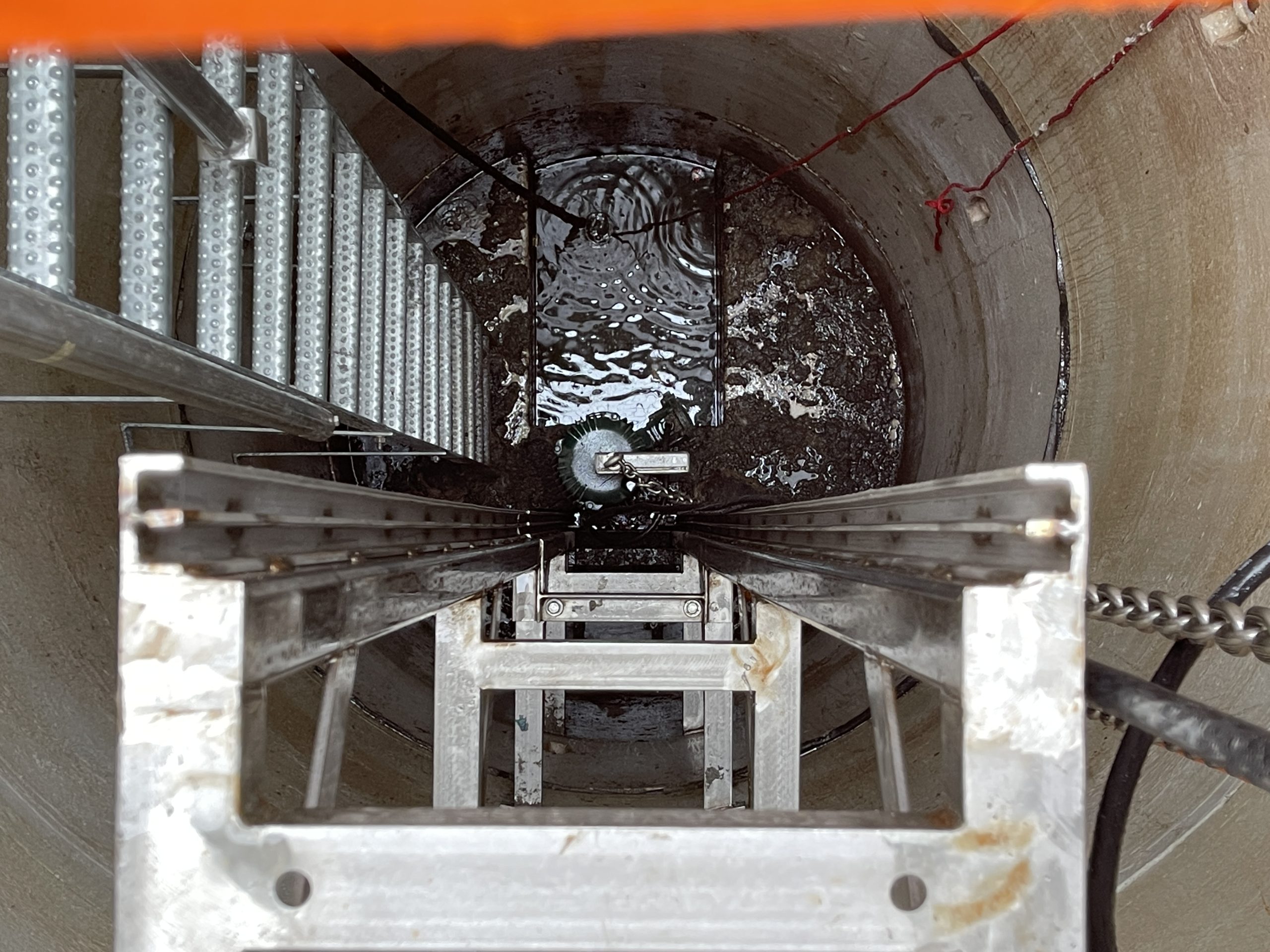
Image credit: romtecutilities.com
As a result, designing a pump station isn’t simply a matter of identifying one flow number and selecting equipment capable of meeting it. Engineers must understand the conditions that the equipment will be exposed to.
Think beyond maximum capacity, but also the operating conditions
Maximum flow is obviously important, but it represents only one aspect of the station’s operation. Let’s say that a wastewater system is designed to accommodate a high peak flow. In the majority of cases the incoming flow is lower. During these normal periods however, the station has to function properly.
This raises questions about wet-well dimensions as well as pump operation and control, head conditions and the way equipment can respond to a changing demand.
The design of a properly engineered package pump system will take into consideration the actual site requirements, instead of focusing on the maximal capacity of the pump.
The wastewater industry has its own day-to-day rhythm
The conditions that flow through the wastewater liftstation that serves households, businesses or municipal infrastructure may change during the course of its operation.
The system is required to be able to collect water and operate its pumps in accordance with the strategy of control established for the station. This involves structural dimensions pumps, valves, pumping gear and piping as well electrical components.
Other considerations for the specific site may influence the design. Romtec Utilities is able to incorporate auxiliary equipment such as grinder vaults, or odor control equipment, based on the particular application. The result is a system built around the needs of the project, rather than a generic configuration which is used at every wastewater site.
Stormwater is able to change significantly faster
Stormwater is a completely different process. A stormwater lift station could have a low level of activity during dry conditions but then experience significant increases in flow when a weather storm occurs. It could be part of a comprehensive flood-control plan or as a detention, treatment or drainage plan.
Romtec Utilities evaluates factors including the flow rates required, head conditions, size of the system as well as site requirements and environmental aspects when developing these systems.
The layout of a station that is designed for a commercial project may differ from the design of a station that is designed to handle stormwater for the municipality.
Head Conditions Are Important Alongside Flow
Engineers need to be aware of where the water is going and the resistance they need to overcome. Engineers also need to know where the water is going and the resistance that the pumping system must overcome.
The head condition of the pump can be affected by many factors, including elevation changes as well as piping configurations and discharge conditions and other system features.
The relationship between flow and head is one reason simply choosing one based on capacity rating doesn’t suffice. The pump’s design and station’s configuration have to be adjusted to the hydraulic requirements for the entire application.
The station should be designed to match the conditions that it will have to endure
Romtec Utilities creates customized pumping system for stormwater, wastewater and clean water applications. They also design systems for industrial, booster and other applications. The process involves preliminary design budgeting, planning sets, budgeting, system supplies, documentation, starting and testing.
The basic principle of engineering is that real pumping systems can’t function under the same condition.
They must also consider the particular needs of the project’s hydraulic system, in addition to the fluctuating demand, flow, and requirements. The best station needs to be engineered for that reality.