An incident report for a hotel might only be one or two paragraphs. It is a record of the guest’s name who caused the disturbance that occurred, names the respondent employees and also records the time the management was informed.
This report may bring up more questions for an attorney than it will be able to answer. Who was the manager of the employees that were implicated in this particular case? Was surveillance footage preserved? Did the property follow its standard procedures? Did the property experience any prior interactions that weren’t recorded in the report.
These are the reasons the reason why hospitality litigation typically necessitates an examination of standard documents of business before witness testimony commences.
Begin With the Documents Produced during normal operations
Businesses in the hospitality industry maintain records of scheduling, guest service along with security and management. These records were not always created for court proceedings, but they can be used to determine the operation of the establishment during an incident.
A Hospitality expert witness could examine staffing schedules, operating procedures, employee training files, security logs, and surveillance recordings to learn the responsibilities assigned to different personnel. As an example, an official policy might state that the manager must react when an employee notifies them of a drunk client.
Examining whether or not the manager actually worked and whether or not the report was distributed and the response confirmed by the evidence is the main objective. Instead of inferring that procedures were followed or ignored It is more important to determine what actual actions actually took place.
Restaurant Records Need Their Own Interpretation
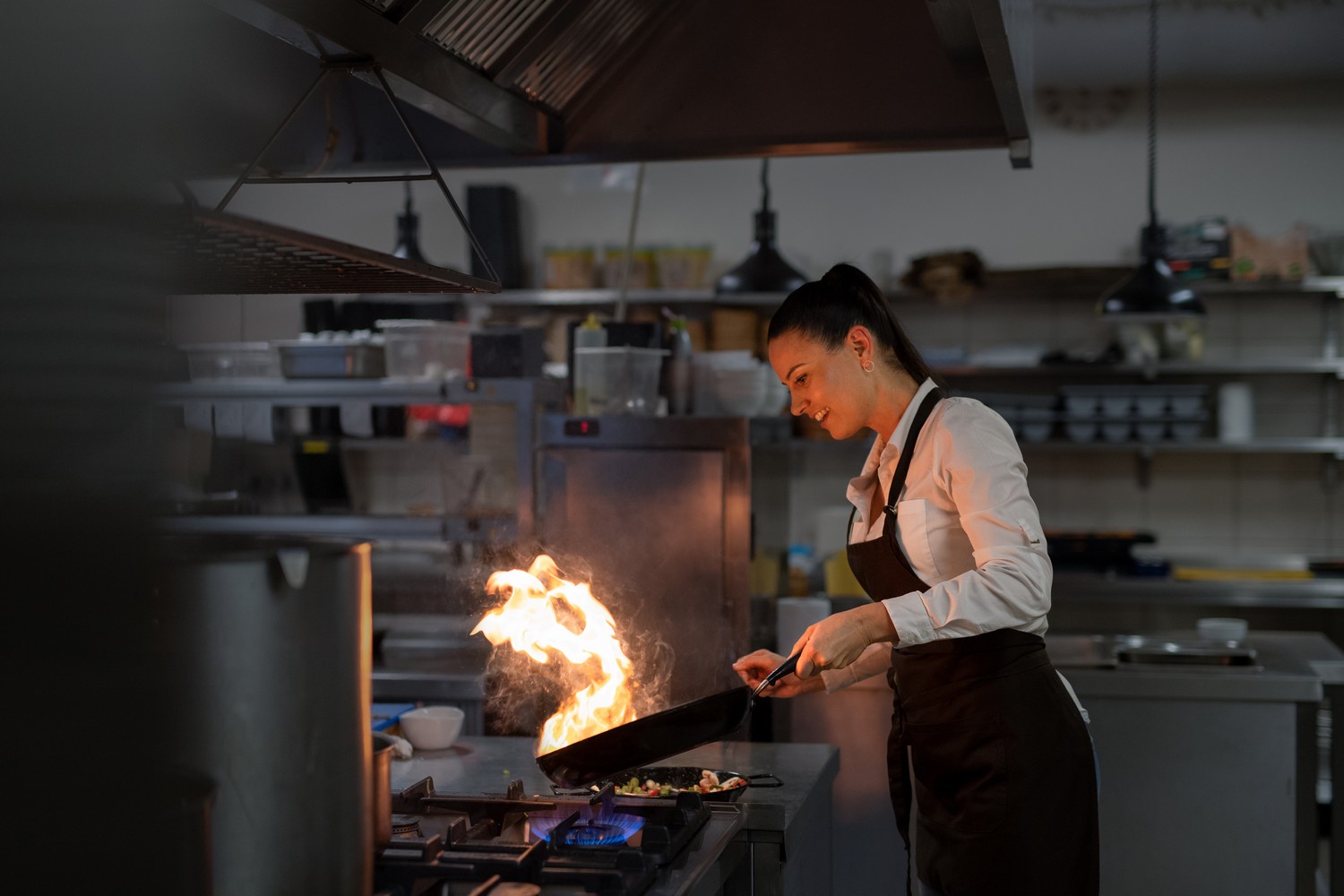
Restaurant investigations are challenging because employees have to divide their time between the preparation of beverages, food service as well as customer demands and managing the dining area. A Restaurant expert witness can explain how these responsibilities affect the decisions employees make during service.
Take a look at a dining-room situation involving a customer who ordered alcohol at the bar before making the move to a table. The bar receipt may document the initial purchase, while table transaction records could document subsequent orders.
However, these documents may not confirm what the tableserver was aware of about the previous service. Combining the server assignment with the transaction times, management notes and employee communications will help to clarify the order. A distinction must be made: the fact that alcohol was offered for sale does not indicate that employees have been able to detect intoxication.
Casino Investigations Might require a different set of records
Casinos operate beverage programs that can differ substantially from traditional restaurant services. Additional sources of information are complimentary drinks, mobile cocktail servers and gaming floor supervisors.
A professional witness at a casino can examine the assignments for staffing of beverages as well as surveillance video and security reports as well as employee communications procedures. If beverages are offered as a complimentary service, the receipts from sales traditionally are inadequate.
In these situations, an investigation might depend heavily on surveillance evidence, observations of employees and service records, in addition to the procedures that are documented for the facility. The expert must also identify shortcomings in the evidence rather than relying on an uncomplete document as evidence of an incident.
Keep the Evidence in place before it becomes unavailable
The preservation of documents that are sensitive is a real concern for hospitality litigation. Surveillance systems could keep recordings for limited periods. Schedules of employees, internal communications and incident records may be stored in different departments or systems. Attorneys need to identify and archive the records that may be pertinent as soon as they are able.
The extent of the investigation is contingent on the type of accusations. The scope of an investigation will depend on the allegations. A specific audit helps determine what records are important without assuming every department played a part.
The Paperwork is a Product of operational experience
Preston Rideout is a hospitality veteran with more than twenty years of experience. He has held roles in bartending, management and beverages operations in a variety of units. Rideout Hospitality Consulting is a company he created in 2010. He has provided advice to restaurant, resort, and hotel operators throughout the United States.
Expert witness testimony on behalf of plaintiffs and defendants has included matters involving casinos, resorts and restaurants as well as hotels. It’s useful to have an understanding of hospitality management for interpreting documents that appear simple for those not familiar with the business.
A list of staffing plans includes, for instance, those who were given the task of working. To determine if these assignments were proper you must know the model of service for the property and its operating conditions.
Clearness in your questions is the first step towards an argument that is stronger
A thorough review of the expert’s work will help lawyers distinguish between the facts that are documented and those that remain unanswered. The review can reveal additional records that are worth seeking, clarify the how depositions are conducted, and determine which employee actions require more scrutiny.
There are many reasons why discrepancies may not be indicative of an operational failure. Not every policy that shows the proper procedures were adhered to.
The benefit of expert analysis lies in explaining these distinctions using relevant evidence and industry-wide practices that are well-known. When lawyers prepare a hospitality case, understanding the company prior to questioning its employees can lead to a more specific, convincing analysis of what actually transpired.