The sewer infrastructure isn’t something that people consider yet it has an impact on every office, home schools, and public structure. Sewer systems are invisible when they’re working well. If they don’t, the results can be costly, disruptive and immediate. That is why a properly engineered wastewater lift station is such an important part of modern infrastructure.
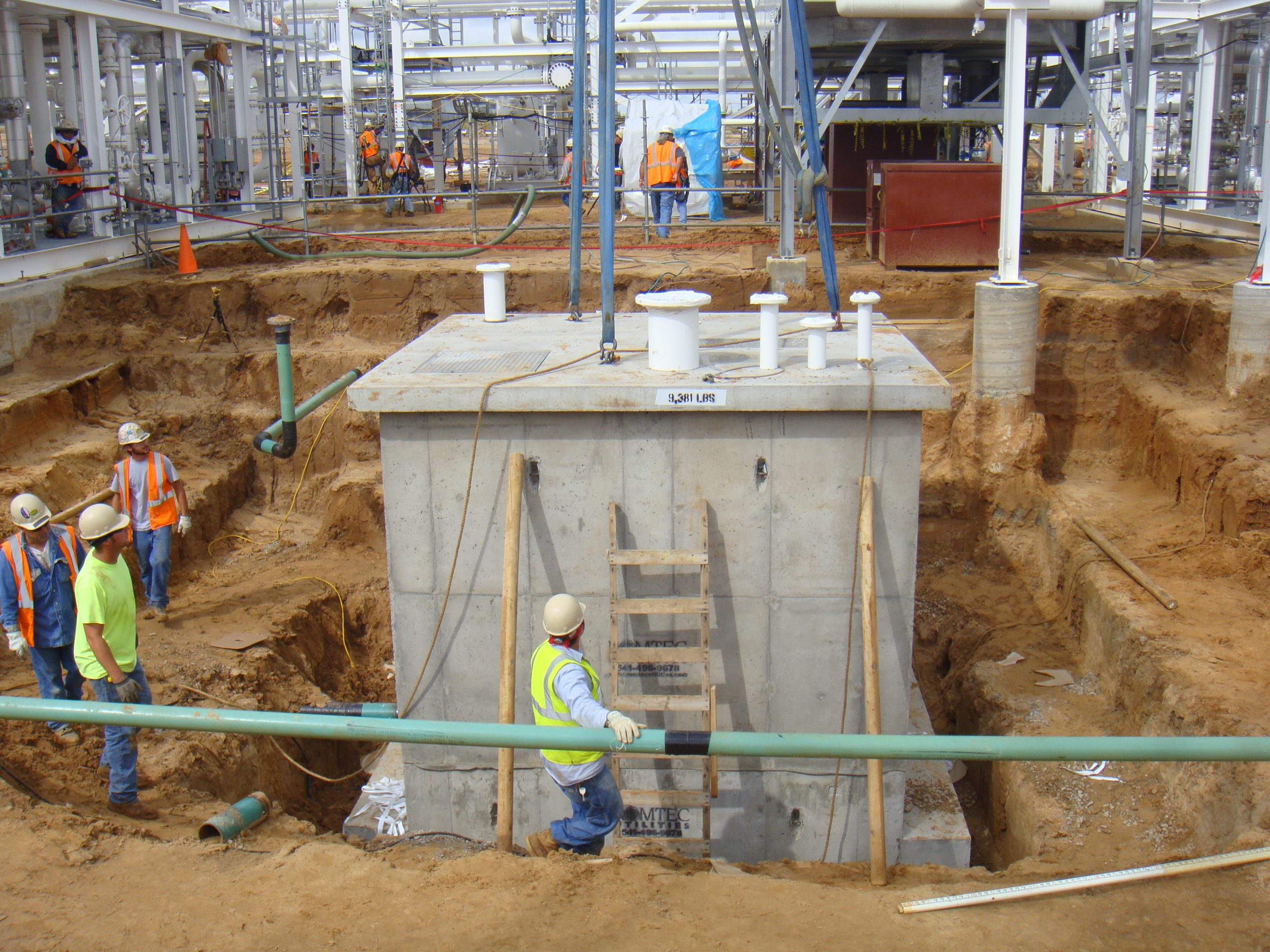
In many areas gravity alone can’t move water to the treatment plant. Variations in elevation, lengthy pipes, flat terrain, and growing developments often require pumps to keep sewer running efficiently. Lift stations help communities and private developments transport wastewater in a safe manner.
Every wastewater treatment project will be able to meet different specifications
The majority of sewer lift stations have the same purpose. Municipal sewer lift stations serving neighborhoods in growth have different requirements than private commercial projects or industrial sites with more demanding conditions for wastewater. Flow rates, site layout accessibility to maintenance, and the local design standards will all influence the manner in which a station can be designed.
It is crucial to design the project in a unique way. Romtec Utilities builds each lift station based on the needs of the specific project rather than trying force all sites into an identical package. Some systems require low-flow residential pumping, while others need industrial or municipal solutions equipped with sophisticated controls, coatings, or redundant systems built-in right from the beginning.
Design isn’t only about pumps
A wastewater lift station isn’t just a wet-well and pump. A wastewater lift station isn’t just a simple wet well and pump. It’s an entire system which includes mechanical, structural electrical and communications components. Pump selection, valve layout controls, coatings, flow monitoring, odor management and access to the operator all influence how the station performs over time.
The best wastewater designers can make a significant impact. An unplanned system might technically function but it will also lead to an endless cycle of maintenance issues or corrosion problems as well as operational inefficiencies and interruptions to service. A well-designed station, on the other hand, is constructed not just to function on day one but also to be reliable for a long time under the real-world environment.
Romtec Utilities designs complete wastewater systems for sewer districts, developers, engineers, and private firms, customizing each station to the site’s requirements, budget and long-term goals of the owner.
A better plan will result in a better long-term performance
Some wastewater facilities require more than a simple design. Based on the type of project, the lift station might include polymer concrete wells, protective liners, odor-control equipment, grinder pumps, bar screen vaults bypass ports for pumping, or advanced communications systems. These aren’t just improvements for the sake of complexity. In many instances, they can make a radio station last longer, run more efficiently or reduce future maintenance.
It is for this reason that coordination at the start of a project is essential. Romtec Utilities provides integrated design support for all the major lift station elements, which assists in reducing the cost of procurement and offers the team members a more clear path from idea to completion.
Reliable lifts protect budgets and communities
A reliable and secure wastewater lift station is a safeguard for the health of the population, aids in development, and keeps sewer systems moving without interruption. It also helps homeowners, municipalities, and developers by reducing the cost of emergency repairs and downtime.
The best sewer lift stations tend to be the ones nobody notices because they are able to do their job. This kind performance begins with thoughtful engineering as well as a unique design for each site and an understanding of the fact that the wastewater infrastructure isn’t standard. Romtec Utilities applies this level of knowledge to each sanitary sewer lift station design. It helps customers design systems designed for longevity rather than for ease of use.